Elder Care at Home vs. Nursing Homes: Safety, Nutrition, and Quality of Life
Business Name: FootPrints Home Care
Address: 4811 Hardware Dr NE d1, Albuquerque, NM 87109
Phone: (505) 828-3918
FootPrints Home Care
FootPrints Home Care offers in-home senior care including assistance with activities of daily living, meal preparation and light housekeeping, companion care and more. We offer a no-charge in-home assessment to design care for the client to age in place. FootPrints offers senior home care in the greater Albuquerque region as well as the Santa Fe/Los Alamos area.
4811 Hardware Dr NE d1, Albuquerque, NM 87109
Business Hours
Families rarely take a seat to compare care choices in the abstract. The discussion generally begins after a fall, a health center stay, or a distressing phone call in the middle of the night. Someone says, "We can't keep going like this," and unexpectedly you are weighing elder care in the house against nursing home placement, typically under pressure and with insufficient information.
I have strolled through this decision with numerous families, and the same 3 concerns turn up each time:
Is it safe?
Will my parent eat well? Will they still have a life that feels worth living?Those three lenses - safety, nutrition, and lifestyle - are much more handy than simply asking, "Home care or nursing home?" As soon as you truly understand how each setting works in these locations, the best instructions normally ends up being clearer.
What "Home Care" Actually Means
The phrase "home care" sounds simple, but in practice it can vary from a few hours of aid weekly to 24-hour in-home care with a turning team.
In-home senior care typically focuses on non-medical support: bathing, dressing, light housekeeping, transport, companionship, and sometimes fundamental health keeping track of such as blood pressure checks or reminders for medications. Licensed nurses can be included through home health services when there are medical requirements such as wound care, injections, or complex chronic conditions.
Good senior home care is built around the person's existing life. The caretaker enter their home, their cooking area, their community regimens. That is a powerful benefit for many older grownups, particularly those dealing with moderate to moderate dementia who feel anchored by familiar surroundings.
In practice, home take care of parents frequently starts small. A child might bring in assistance for showering two times a week because she hesitates of her father slipping. Or a boy might employ an Albuquerque home care firm for night guidance after Mom leaves the stove on one too many times. The essential point: home care can be scaled up or down, and adjusted as requirements alter, without rooting out the person.
What Nursing Homes In fact Provide
Nursing homes, or knowledgeable nursing facilities, are medical organizations initially and homes second. That does not imply they are cold or uncaring by default, but their structure is driven by regulation, staffing patterns, and clinical needs.
They usually provide:
- 24-hour nursing supervision
- On-site or on-call physicians and therapists
- Medication administration and monitoring
- Assistance with all activities of daily living for locals who need it
In the very best centers, you will see attentive personnel, consistent assistants who know locals well, and activities that exceed bingo. In weaker centers, you might see turning company personnel, long response times to call lights, and residents spending too much of the day in bed or parked in front of a television.
Nursing homes can be the right option when someone requires intensive medical management or hands-on help almost around the clock. The compromise is lowered privacy, less control over routines, and an environment that needs to stabilize the safety of numerous locals at once.
Safety: One of the most Psychological Part of the Decision
Safety is the pressure point that presses lots of households to consider change. A single fracture from a fall can modify the course of an older grownup's life.
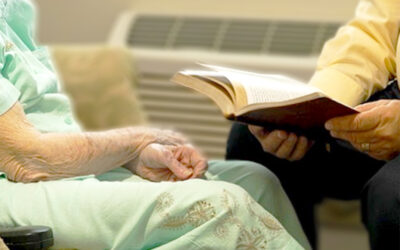
The mistake I see often is thinking about safety as a binary. Households imagine that staying at home is risky, while nursing homes are safe by style. Reality is more nuanced. Both environments bring risks, they are merely different.
Safety at Home: Dangers and Surprise Strengths
At home, the physical environment can typically be customized. Get bars, non-slip flooring, removing mess, improving lighting, and adding a shower chair or raised toilet can drastically lower fall risk. Many homes can be brought much better to the safety standards of assisted living with a few thousand dollars in modifications and the best planning.
The more challenging piece is guidance. If your father forgets his walker every time he goes to the restroom, is somebody there to remind him? If your mother with dementia opens the front door to "go to work," who notices?
Modern in-home care utilizes a combination of human presence and technology. Families frequently integrate part-time caregivers with door alarms, movement sensing units, or medication dispensers that signal a member of the family or care planner when doses are missed. For some older grownups, this hybrid method works extremely well. The individual stays in your home, but no longer resides in an unmanaged environment.
I worked with a household in Albuquerque whose mother had moderate dementia and osteoporosis. She was identified to stay in the exact same house she had lived in for 40 years. We scheduled a caretaker to be there from 7 a.m. To 7 p.m., set up grab bars, eliminated throw carpets, and utilized a bed alarm in the evening connected to her boy's phone. In the very first 6 months, she had no falls and her anxiety dropped because she felt "took care of" without being moved.
The constraint is cost and household capacity. 24-hour in-home care is extensive and, in lots of markets, more pricey than a nursing home. If someone genuinely can not be left alone for any duration, you are either taking a look at three shifts of caretakers or a dedicated household rotation. That is sustainable for some families and difficult for others.
Safety in Nursing Homes: Oversight with Trade-offs
On paper, nursing homes have the benefit: personnel are available all the time and night, and the building is created for wheelchairs, walkers, and medical equipment. Bed rails, low beds, and call lights are basic. There is no stress over driving to consultations or climbing stairs.
The dangers in a center look different. Understaffing can indicate postponed reactions to call lights. Citizens may try to get up on their own if nobody comes quickly, which causes falls in precisely the population most at threat. It is not unusual for state assessments to cite homes for insufficient supervision or failure to avoid avoidable falls or pressure sores.
Infections are another point to think about. In a communal environment, respiratory viruses, norovirus, and urinary system infections spread more easily. A fairly independent older grownup may be physically safe from household hazards, yet exposed to the scientific risks of institutional living.
The right question is not, "Which location is safe?" but "Which threats are we more able to manage, given this person's needs and our resources?"
Nutrition: Who In fact Consumes Better?
Many families are shocked when they look closely at eating patterns. They presume nursing homes offer better nutrition due to the fact that meals are ready regularly and kept an eye on. That can be real, but not always.
Eating in your home: Familiar Kitchens, Real Preferences
Older adults often consume much better when food feels familiar and enticing. In-home care can protect long-standing choices: the green chile stew a client in Albuquerque grew up with, the specific tea your mother likes in the afternoon, the cereal your father has eaten for thirty years. These information matter.
Caregivers who supply home look after parents rapidly find out what works and what gets left on the plate. If a client tends to graze rather of eating large meals, the caregiver can adapt and offer smaller, more frequent treats. If dentures hurt, meals can move to softer foods without awaiting a dietician's order.
Hydration is simpler to customize also. An excellent in-home caregiver will keep a water bottle within reach, deal drinks frequently, and notification if intake drops. For a senior with moderate amnesia, gentle prompting in an unwinded environment beats enjoying a rushed assistant location a cup of water on a tray and relocation on.
I when dealt with a gentleman whose weight had stopped by nearly 15 pounds while he remained in a facility. He disliked the institutional food and skipped breakfast frequently. At home, with a senior home care assistant preparing fresh tortillas, eggs, and his favored fruit, he gained back 8 pounds over three months with no dietary supplements. The difference was not some special diet plan, it was taste and attention.
The disadvantage in your home is disparity if the care plan is weak. If family members or caretakers do not collaborate, you can see spaces: no one tracking weight, no one recognizing that meals are getting skipped when the person is tired. This is where expert at home senior care, with supervisors who evaluate notes and adjust strategies, ends up being important.
Eating in Nursing Homes: Structure, Tracking, and Limits
Nursing homes offer scheduled meals, normally 3 times a day, prepared in a main kitchen area. Dieticians design menus to meet general nutritional standards, and healing diets such as diabetic or low-sodium alternatives are common.
The benefit is regularity. Staff record intake, and substantial weight modifications trigger evaluations. Residents who are really frail or have swallowing issues typically receive specific attention, such as pureed diet plans or thickened liquids, that are tough to manage properly at home.
However, institutional food has built-in restraints. Meals must be prepared wholesale, certified with policies, and served on a timetable. Staff are stabilizing lots of needs in a dining-room. If your parent consumes slowly, they might feel hurried. If they are a fussy eater, there might be limited alternative choices.
Families should pay very close attention to the dining experience throughout visits. Is personnel readily available to help somebody who struggles with utensils? Are locals engaged and talking, or calmly home care albuquerque nm eating in rows? Do trays look appetizing, or is food left untouched?
Nutrition is not only about nutrients, it is about self-respect and pleasure. Some senior citizens thrive with the structure of facility meals, particularly if loneliness in your home was suppressing cravings. Others eat less in a center since the environment feels foreign or since nobody knows that they truly only like oatmeal with cinnamon, not plain.
Quality of Life: Daily Life, Identity, and Connection
If safety and nutrition are the structure, lifestyle is the architecture on top. It is what identifies whether your parent seems like they are still living, not just being kept alive.
Independence and Control
At home, even with significant support, older adults typically maintain more control over their regimens. They can wake when they choose, eat at the time they choose, and keep personal belongings organized as they like. In-home care tends to be constructed around their existing practices, not the other way around.
For somebody who cares deeply about privacy or who dislikes group activities, this can be invaluable. Many senior citizens will accept help more easily when it does not require them to quit their space.
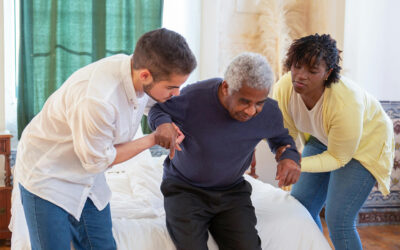
In a nursing home, specific preference needs to fit within the facility's schedule. Bathing might happen on appointed days, within specific hours. Breakfast is not readily available all early morning. Lights-out times and noise requirements are set with the neighborhood in mind. Some facilities extend to accommodate preferences, others less so, but there are always constraints.
On the other hand, a person whose home has actually ended up being a source of stress, mess, or seclusion might feel relieved to have foreseeable routines chose for them. I have actually seen senior citizens noticeably unwind when meals appear without anyone in the household arguing about who cooks, or when medication is no longer a day-to-day negotiation.
Social Connection and Emotional Health
Loneliness is a peaceful health risk, related to depression, cognitive decrease, and even greater mortality. It plays out differently in your home and in nursing homes.
At home, social life depends on household, neighbors, community participation, and whatever contact caregivers supply. In a city like Albuquerque, where numerous adult children live in different communities and even out of state, in-home care can end up being the primary everyday companionship for an older adult.
When you discover a good match, the relationship in between caretaker and client can be deep and meaningful. I have viewed caregivers discover a customer's favorite songs and sing with them during dishwashing, sit through old image albums, and accompany them to the exact same local coffee shop every Thursday. This type of one-to-one connection is hard to reproduce in an institutional setting.
The risk in the house is that, without planning, an elder can still invest long hours alone in between visits. Television may end up being the main business. With time, even a safe and nutritionally appropriate home can develop into a mentally thin life.
Nursing homes, by contrast, offer distance to other individuals almost all the time. There are shared meals, group activities, and casual interactions in corridors. For some residents, particularly extroverted personalities, this is stimulating. They enjoy bingo, spiritual services, workout groups, and the easy act of being around others.
Yet being surrounded by people does not ensure connection. High personnel turnover, language barriers, and homeowners with sophisticated dementia can leave a fairly intact elder feeling lonesome in a crowd. Observing the culture of a nursing home throughout various times of day is critical. Are personnel interesting homeowners by name? Are activities varied and well attended, or perfunctory?
When Each Option Fits Best
Decisions are hardly ever pure. Numerous households mix periods of in-home care with brief rehab stays or temporary nursing home placements after surgery or health problem. Still, particular patterns emerge in practice.
Here is a useful way to think about fit:
- Home care is typically greatest when the older adult still acknowledges their home, can take part in their regimens with assistance, and has at least some safe periods alone, or family happy to fill gaps
- In-home senior care works specifically well when the main needs are assist with day-to-day tasks, guidance for mild to moderate dementia, transport, and companionship, rather than consistent experienced nursing
- Nursing homes are often the safer choice when someone requires complex healthcare, regular tracking for unsteady conditions, or complete assistance to transfer, toilet, and consume that would overwhelm a single caregiver in your home
- For families already tired by years of caregiving, an excellent center can bring back relationships by moving the adult child's function from hands-on aide to advocate and visitor
- For seniors who passionately worth staying in their own area, are relieved by familiar environments, and become distressed in institutional settings, buying robust home care and ecological safety may be worth significant effort and cost
No list can record every nuance, however if you find your parent fits several points in one cluster, that alternative deserves serious attention.
Regional Realities: A Note on Albuquerque and Similar Communities
Care options are never ever just medical. They are also geographic.
In places like Albuquerque, the mix of an aging population and spread-out areas changes the equation. Driving ranges, minimal public transport, and periods of severe heat all influence safety. An older adult who demands strolling to the shop in July might be more at risk than their equivalent in a thick, temperate city.
Local Albuquerque home care firms, when well run, often understand these truths thoroughly. They prepare going shopping trips early in the morning, expect dehydration in the summer season, and coordinate with regional clinics knowledgeable about senior needs. They might also understand which close by nursing homes have more powerful track records, much shorter call-light times, or better wound-care outcomes.
When comparing elder care choices, ask providers particularly how they account for regional factors. That might include weather, neighborhood safety, hospital proximity, or even cultural choices, such as experience serving Native American or Hispanic senior citizens with particular language and food traditions.
Money, Household Capability, and Caretaker Burnout
A truthful contrast has to address expense and pressure on the family.
On a regular monthly basis, part-time home care is normally more budget-friendly than a nursing home. A few hours a day can support a circumstance at a portion of institutional costs. However, 24-hour home care, specifically through an agency, can surpass the cost of facility care, particularly in metropolitan markets.
Families often attempt to "patchwork" care to control expenses: a little agency assistance, plus relatives filling the remainder of the hours. This can work if expectations and communication are strong. It stops working if every sibling presumes another person is covering Tuesday nights or if the primary caretaker never gets respite.
I have seen adult children press themselves far beyond healthy limitations, driven by guilt or promises made years previously. Caregiver burnout leads to errors, bitterness, and health problems for the caregiver. When that occurs, what was meant as the loving choice can wind up harming everyone.
Nursing homes, while expensive, combine care into a predictable monthly cost and get rid of much of the everyday labor from the household. That can release relatives to concentrate on psychological assistance, advocacy, and visits, rather than bathing, lifting, or arguing over medications.
The key is to weigh both monetary and personnels. Ask yourself candidly:
If nothing changes, who will be burned out or broke a year from now?
If we accept help, what does that protect - our health, our relationship with our parent, their sense of self?There is no single right answer, but there are responses that are more sustainable than others.
A Practical Checklist for Households Deciding In Between Home Care and Nursing Homes
When I sit with households, we work through a set of concrete questions rather than abstract suitables. Utilize these triggers as you talk with siblings, suppliers, and your parent:
- Safety: Can this individual be safely alone for any stretch of time? Where have mishaps or close calls actually took place in the last 6 months?
- Health needs: Are there medical jobs that realistically require experienced nursing, or could a going to nurse plus at home caretakers manage them?
- Eating and drinking: Where does this individual consume more, and with more pleasure - at home with familiar foods or in structured settings? Have there been weight changes?
- Mood and connection: Where does your parent appear more alive, engaged, or at ease? What setting minimizes stress and anxiety instead of increasing it?
- Family capability: Who is genuinely available to help, on which days, and for the number of months at this level? Does the chosen plan have integrated respite, not just wishful thinking?
Write down honest responses. Patterns generally emerge, and those patterns point more clearly towards either building up assistance at home or checking out center positioning with open eyes.
Elder care choices are seldom tidy, and most families revisit them more than once. Somebody might start with a couple of hours of in-home care, later shift to full-time senior home care, then ultimately relocate to a nursing home after a significant stroke or innovative dementia. Each shift shows a brand-new balance in between safety, nutrition, and quality of life.
If you remain anchored to those three top priorities, listen to what your parent values, and remain realistic about your own limitations, you are much more likely to arrive on a strategy that is not only medically sound but likewise humane. Whether that winds up being robust care in the house, a thoughtful nursing home option, or some combination over time, it can still honor the individual your parent has constantly been.
FootPrints Home Care is a Home Care Agency
FootPrints Home Care provides In-Home Care Services
FootPrints Home Care serves Seniors and Adults Requiring Assistance
FootPrints Home Care offers Companionship Care
FootPrints Home Care offers Personal Care Support
FootPrints Home Care provides In-Home Alzheimer’s and Dementia Care
FootPrints Home Care focuses on Maintaining Client Independence at Home
FootPrints Home Care employs Professional Caregivers
FootPrints Home Care operates in Albuquerque, NM
FootPrints Home Care prioritizes Customized Care Plans for Each Client
FootPrints Home Care provides 24-Hour In-Home Support
FootPrints Home Care assists with Activities of Daily Living (ADLs)
FootPrints Home Care supports Medication Reminders and Monitoring
FootPrints Home Care delivers Respite Care for Family Caregivers
FootPrints Home Care ensures Safety and Comfort Within the Home
FootPrints Home Care coordinates with Family Members and Healthcare Providers
FootPrints Home Care offers Housekeeping and Homemaker Services
FootPrints Home Care specializes in Non-Medical Care for Aging Adults
FootPrints Home Care maintains Flexible Scheduling and Care Plan Options
FootPrints Home Care is guided by Faith-Based Principles of Compassion and Service
FootPrints Home Care has a phone number of (505) 828-3918
FootPrints Home Care has an address of 4811 Hardware Dr NE d1, Albuquerque, NM 87109
FootPrints Home Care has a website https://footprintshomecare.com/
FootPrints Home Care has Google Maps listing https://maps.app.goo.gl/QobiEduAt9WFiA4e6
FootPrints Home Care has Facebook page https://www.facebook.com/FootPrintsHomeCare/
FootPrints Home Care has Instagram https://www.instagram.com/footprintshomecare/
FootPrints Home Care has LinkedIn https://www.linkedin.com/company/footprints-home-care
FootPrints Home Care won Top Work Places 2023-2024
FootPrints Home Care earned Best of Home Care 2025
FootPrints Home Care won Best Places to Work 2019
People Also Ask about FootPrints Home Care
What services does FootPrints Home Care provide?
FootPrints Home Care offers non-medical, in-home support for seniors and adults who wish to remain independent at home. Services include companionship, personal care, mobility assistance, housekeeping, meal preparation, respite care, dementia care, and help with activities of daily living (ADLs). Care plans are personalized to match each client’s needs, preferences, and daily routines.
How does FootPrints Home Care create personalized care plans?
Each care plan begins with a free in-home assessment, where FootPrints Home Care evaluates the client’s physical needs, home environment, routines, and family goals. From there, a customized plan is created covering daily tasks, safety considerations, caregiver scheduling, and long-term wellness needs. Plans are reviewed regularly and adjusted as care needs change.
Are your caregivers trained and background-checked?
Yes. All FootPrints Home Care caregivers undergo extensive background checks, reference verification, and professional screening before being hired. Caregivers are trained in senior support, dementia care techniques, communication, safety practices, and hands-on care. Ongoing training ensures that clients receive safe, compassionate, and professional support.
Can FootPrints Home Care provide care for clients with Alzheimer’s or dementia?
Absolutely. FootPrints Home Care offers specialized Alzheimer’s and dementia care designed to support cognitive changes, reduce anxiety, maintain routines, and create a safe home environment. Caregivers are trained in memory-care best practices, redirection techniques, communication strategies, and behavior support.
What areas does FootPrints Home Care serve?
FootPrints Home Care proudly serves Albuquerque New Mexico and surrounding communities, offering dependable, local in-home care to seniors and adults in need of extra daily support. If you’re unsure whether your home is within the service area, FootPrints Home Care can confirm coverage and help arrange the right care solution.
Where is FootPrints Home Care located?
FootPrints Home Care is conveniently located at 4811 Hardware Dr NE d1, Albuquerque, NM 87109. You can easily find directions on Google Maps or call at (505) 828-3918 24-hoursa day, Monday through Sunday
How can I contact FootPrints Home Care?
You can contact FootPrints Home Care by phone at: (505) 828-3918, visit their website at https://footprintshomecare.com, or connect on social media via Facebook, Instagram & LinkedIn
A ride on the Sandia Peak Tramway or a scenic drive into the Sandia Mountains can be a refreshing, accessible outdoor adventure for seniors receiving care at home.