How Home Care Teams Coordinate Nutrition, Medication, and Hygiene for Seniors
Business Name: FootPrints Home Care
Address: 4811 Hardware Dr NE d1, Albuquerque, NM 87109
Phone: (505) 828-3918
FootPrints Home Care
FootPrints Home Care offers in-home senior care including assistance with activities of daily living, meal preparation and light housekeeping, companion care and more. We offer a no-charge in-home assessment to design care for the client to age in place. FootPrints offers senior home care in the greater Albuquerque region as well as the Santa Fe/Los Alamos area.
4811 Hardware Dr NE d1, Albuquerque, NM 87109
Business Hours
Keeping an older adult safe and thriving in the house is not about one thing succeeded. It is about a variety of small, critical jobs that should mesh: meals on time, pills taken properly, bathing without falls, skin kept healthy, and modifications observed early. In well-run in-home senior care, nutrition, medication, and hygiene are not separate checkboxes. They form a single rhythm of care.
I have actually seen households handle wonderfully with modest expert help, and I have actually seen things decipher when those three areas are treated in seclusion. The distinction is usually coordination. Not more hours, not more technology, however clearer routines, better interaction, and shared expectations.
This is especially real when elders are determined to age in place and families are comparing alternatives for home look after parents, whether in a large metro area or somewhere like Albuquerque, where adult kids might live throughout town or in another state completely. The best senior home care team works as a system around your parent, even if their visits are staggered and some members are just there once a month.
Below is how strong groups really collaborate nutrition, medication, and hygiene in real homes, with the trade-offs and practical realities that households hardly ever see on a brochure.
Starting point: a practical photo of life at home
Before any regimen can be designed, the team needs an honest view of what your parent is doing, and refraining from doing, on their own. Agencies use various assessment tools, however the substance is similar.
An excellent nurse or care manager does not start with a clipboard at the kitchen area table. They start by silently watching how your parent moves through their area. Does they hold onto furniture as they stroll from living space to kitchen. How far is the restroom from the bedroom. Exist get bars, decent lighting, non-slip mats. Is the fridge loaded with actual food or mostly expired leftovers.
Conversation then fills out what observation can not: what your parent thinks they can, what they value most, and where they are currently making compromises. An 88-year-old may insist on bathing themselves, for instance, but confess they just shower when a week since they hesitate of falling. Or they may "never miss out on a dose" of medication, yet their pill organizer reveals Tuesday and Wednesday still complete on Thursday afternoon.
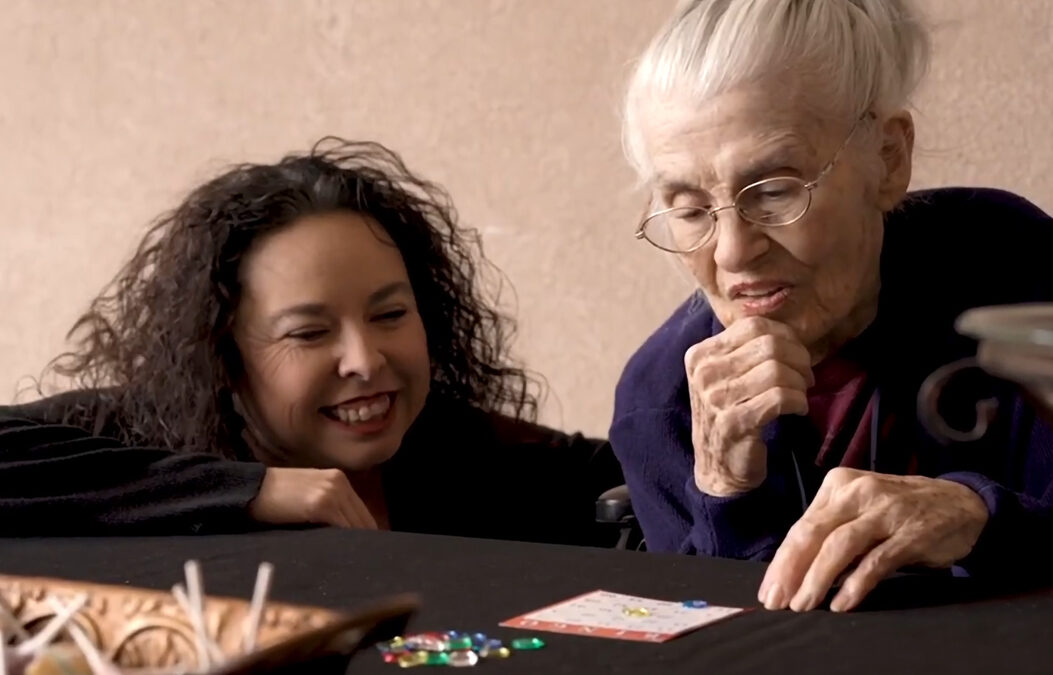
At this phase, nutrition, medication, and hygiene are mapped together. For example:
- Poor cravings may be tied to queasiness from a new blood pressure medication.
- Refusal to bathe may link to joint pain that is also restricting grocery shopping and cooking.
- Dehydration may be raising the danger of urinary tract infections, which in turn increase confusion and medication errors.
The assessment is less about single issues than about patterns, because reliable elder care in the home depends upon comprehending how one problem ripples into the next.
Building a care strategy that in fact holds together
The written care plan is where coordination ends up being noticeable. It is even more than "prepare lunch" or "assist with shower twice weekly." When succeeded, it works as a script and a safeguard for everybody included: caretakers, nurses, therapists, and family.
A strong strategy that integrates nutrition, medication, and hygiene typically has a couple of typical functions:
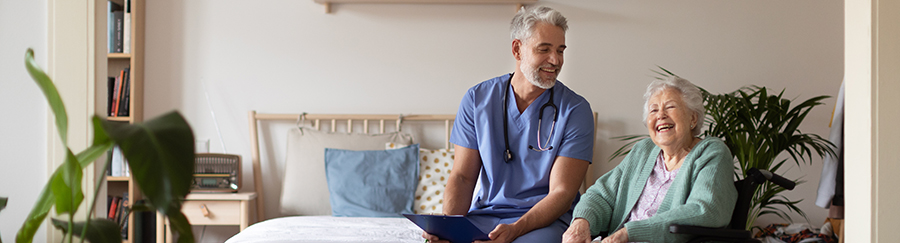
First, it sets top priorities. Perhaps the doctor is stressed over uncontrolled diabetes, while the daughter is most anxious about falls in the bathroom, and the senior simply wishes to keep cooking as long as possible. The care manager needs to rank what can not wait, what can flex, and how to deal with numerous objectives with one modification. For instance, a shower chair with a hand-held shower not only decreases fall risk but also reduces fatigue, which can enhance appetite and the capability to prepare basic meals.
Second, it puts jobs on a timeline that makes good sense for the body, not simply the schedule. Many medications should be taken with food, or a minimum of not on an empty stomach. That suggests the strategy might require a light snack before the morning pill routine, or for the caretaker to prepare breakfast, then prompt medications before leaving. Hygiene can be positioned where energy is highest. Some senior citizens endure a full shower just in mid-morning, after coffee and a small meal, not at the end of an exhausting day.
Third, it designates functions clearly. In a normal in-home care plan, you might have personal caregivers dealing with day-to-day visits, a competent nurse dropping by weekly for medication management, and perhaps a physiotherapist two times a week. The strategy must spell out, for instance, that the nurse will reconcile medications with the doctor's orders and update the tablet coordinator, while caregivers will record doses taken and any adverse effects kept in mind throughout or after meals.
Families are typically amazed at how detailed a good plan can be. It might define how to motivate fluids throughout breakfast (preferred mug, half-strength juice if plain water is done not like), the precise order of actions in a shower to lessen standing time, or how to position pills and water to accommodate tremors from Parkinson's disease. The point is not complexity for its own sake. It is consistency. Consistency is what keeps your parent steady throughout shifts and across weeks.
Daily truth: how caregivers mix tasks in the home
From the caretaker's perspective, coordination takes place minute by minute. They walk into the house with a list of tasks, but the art lies in weaving them together without making your parent feel rushed or patronized.
A common early morning visit in senior home care may look something like this, with nutrition, medication, and hygiene linked rather than separated:
The caregiver shows up and checks in with your parent about sleep, pain, and any over night modifications. Those couple of minutes of discussion are not small talk. They are a fast scientific screen. Poor sleep or new lightheadedness may call for extra care in the shower or closer monitoring after medications.
While coffee or tea is brewing, the caretaker may guide your parent through a brief bathroom visit, handwashing, and tooth brushing. This supports hygiene while the kitchen work begins. They may then prepare a simple, familiar breakfast, keeping in mind any constraints such as low-sodium or carb controlled cooking. Throughout this time, they quietly scan the fridge and pantry, noting food quality, ended items, and what staples are running low.
Once your parent is seated and consuming, the caregiver checks the medication organizer and care notes from prior shifts. If morning meds are suggested to be taken mid-meal to prevent queasiness, that timing is followed, and the caretaker remains nearby to verify each tablet is really swallowed. They record any refusal or complaints, maybe a new cough or headache, which might be connected to medication or dehydration.
After breakfast and medication, hygiene assistance can be scaled to the concurred level of assistance. Some clients only need standby aid for safety, others require complete hands-on assistance with bathing, dressing, and grooming. The caretaker reminds your parent to use the toilet before showering to lower seriousness accidents throughout bathing, then sets up the environment: non-slip mat, towel within simple reach, get bars checked for sturdiness, water temperature evaluated. They safeguard skin with mild soaps and comprehensive but soft drying, paying extra attention to skin folds, pressure points, and any recognized issue areas.
Throughout, the caregiver is multi-tasking mentally. They are looking for shortness of breath in the shower, which may be a sign of cardiac arrest aggravating. They are keeping in mind whether your parent can raise their arms to clean their hair, which matters not simply for hygiene but for the capability to dress independently. They are examining whether swallowing pills seems more difficult today, which might affect nutrition if chewing and swallowing are ending up being challenging with food as well.
By the time the visit ends, the caretaker has actually touched all 3 domains, left the home cleaner and safer than they discovered it, and added fresh, precise notes that the rest of the home care team will rely on.
Medication management: the foundation of stability
Medication problems are amongst the most typical reasons older adults land in the healthcare facility. In home care, handling pills securely is not optional. It is central to keeping your parent at home.
A couple of practices different average in-home care from genuinely safe elder care in this area.
Medication reconciliation is the very first. At the start of services, and whenever your parent sees a brand-new medical professional, the nurse or care manager should compare every current prescription bottle, non-prescription solution, and supplement with the medication list in the medical record. Discrepancies prevail. Possibly a specialist increased a dosage however the medical care list was never upgraded. Maybe your parent stopped a medication weeks earlier since it made them lightheaded, however the pharmacy keeps auto-filling it.
Pill organization need to fit the person. Weekly pill planners are common, but not always ideal. For somebody with cognitive disability, individual dose loads that integrate all early morning pills in one sealed packet can decrease mistakes. For another person with arthritis, big, easy-open bottles and a caregiver-led setup once a week might be better. In all cases, the system needs to connect medication times with meals and hygiene routines so they feel natural rather than intrusive.
Monitoring negative effects means caretakers are trained to link signs with potential medication concerns. Increased confusion may signal a urinary tract infection, however it can also show anticholinergic negative effects from specific allergic reaction albuquerque home care or bladder medications. Irregularity is not only a convenience concern. It can decrease cravings, disrupt appropriate absorption of other medications, and increase fall threat during straining.
Communication loops matter simply as much as the tablets themselves. In a well-run senior home care program, caretakers do not merely keep in mind "medications taken" and move on. They are expected to report patterns: duplicated rejections of a bitter-tasting tablet, lightheadedness within an hour of blood pressure doses, nausea that reduces appetite. The nurse then communicates this to the prescribing clinician, who might change timing, dose, or perhaps the medication itself.
Families sometimes underestimate how much medication management shapes both nutrition and hygiene. For example, sedating medications make an early morning shower risky. Discomfort improperly managed over night decreases cravings at breakfast. Diuretics provided late in the day increase nighttime bathroom journeys, which in turn lead to fatigue and skipped early morning tasks. Care groups that think in systems, not silos, prepare around these effects.
Nutrition: more than calories and recipes
In elder care, nutrition is about keeping strength, avoiding complications, and making every day life more enjoyable. Weight-loss, muscle wasting, and dehydration undercut every other aspect of care, from wound healing to mood.
In-home senior care providers take a look at nutrition on numerous levels.

At one of the most fundamental, can your parent access and prepare food. That includes the practical actions lots of people forget to inquire about: reading labels with aging eyes, raising pots, standing long enough at the stove, and chewing securely with aging teeth or dentures. A frail senior living alone in Albuquerque, for example, may depend on meals-on-wheels deliveries for the main hot meal, with caregivers focusing on breakfast, hydration, and light evening treats that fit their choices and prescriptions.
Beyond logistics, caretakers try to deal with instead of versus long-standing food routines. Telling a 90-year-old who has actually consumed red chile with whatever for 70 years that they need to unexpectedly follow a bland cardiac diet hardly ever works. A more sensible approach is part control, steady seasoning modifications, or including herbs and citrus rather than salt. Caregivers might prepare smaller, more regular meals for somebody on diuretics who feels too full or brief of breath after big portions.
Medication regimens often dictate timing and structure of meals. Particular blood pressure meds, for instance, may worsen lightheadedness if taken without enough fluid. Blood slimmers connect with vitamin K abundant foods, which does not indicate banning green vegetables however keeping consumption consistent. Diabetes management depends greatly on not only what is consumed however when, in relation to insulin or other medications. Coordination here is not theoretical. It is arranging on the ground so that breakfast and pills occur in a safe sequence.
Hydration deserves unique attention. Many older grownups deliberately consume less to avoid regular restroom trips, particularly if they feel unsteady. That choice increases infection risk, worsens irregularity, and can compound side effects from medications. Competent caregivers resolve the fear behind the behavior by integrating hydration strategies with toileting support and bathroom safety measures.
Hygiene and self-respect: safety without infantilizing
Hygiene in senior home care has to do with even more than keeping somebody looking neat. It has to do with protecting skin stability, avoiding infections, keeping comfort, and securing dignity.
Assessing hygiene requirements starts with comprehending what your parent is genuinely able to do by themselves. There is a substantial difference between a person who requires aid stepping into the tub however can still wash and dry themselves, and somebody who can not safely stand at all. The goal is always to preserve the maximum possible self-reliance while silently preventing harm.
Care groups generally adjust hygiene routines to energy levels and safety issues. For example, somebody with extreme arthritis might bathe every other day rather of daily, with additional attention to day-to-day "top and tail" washing, incontinence care, and oral hygiene. A person with cardiac arrest who gets out of breath with warm showers may do much better with much shorter, lukewarm showers and seated sponge baths on alternate days.
Environmental adjustments can make or break success. Get bars, shower chairs, portable shower heads, non-slip surface areas, and even easy things like clear paths to the restroom minimize the physical load on both the senior and the caregiver. In regions with hard water, including parts of New Mexico, gentle soaps and routine moisturizers help neutralize dryness that can lead to skin breakdown.
Dignity is non-negotiable. Trained home caretakers discover to narrate what they are doing, keep the individual covered as much as possible, and offer options within the regimen: which hair shampoo, which towel, whether to shave before or after the shower. They likewise discover when to go back. If your parent is still safe cleaning their face while seated, the caregiver must let them do it, even if it takes longer. That small act of autonomy typically equates into better mood, much better cravings, and more cooperation with care overall.
How teams in fact coordinate: interaction practices that work
From the outside, households see individual visits. From the within a high-functioning firm, coordination rests on disciplined communication, both formal and informal.
Daily documentation is the foundation. Caregivers record what was done, what was consumed, which medications were taken or refused, and any changes in mobility, mood, or condition. In contemporary home care, this is typically participated in an electronic system in genuine time. A nurse or care manager then evaluates notes routinely and looks for patterns: steady weight-loss, repeated missed out on supper dosages, or increasing resistance to bathing.
Verbal handoffs between caregivers can be simply as important as composed notes. A quick phone call or in person upgrade throughout a shift overlap may cover things that are tough to capture in documents, such as, "She did better when I offered her pills with yogurt instead of water," or "He is more cooperative with showers if we play his favorite music."
Regular case reviews, in some cases called interdisciplinary group meetings, aid align the larger group. For a complex customer, the nurse, caretakers, and in some cases a dietitian or therapist might talk about adjustments together. For instance, if a customer consistently feels too tired out for afternoon showers, the team may move bathing to early mornings, a little adjust meal timing, and ask the medical professional about tweaking medication schedules to minimize mid-day sedation.
Family participation enhances or weakens this whole system. When adult children in Albuquerque or in other places react without delay to concerns, attend occasional care conferences by phone or video, and keep service providers informed about new medical diagnoses or medical facility visits, the care plan stays reasonable and safe. When relative independently override concurred routines, such as doubling up on medications or considerably changing diets without speaking with the nurse, coordination fractures.
When something is off: red flags families ought to watch
Families do not need to micromanage care, however they ought to take note of a few essential signals that coordination may be slipping.
Here are useful indication:
- Pill bottles remain complete, yet your parent declares to never miss a dose.
- You discover brand-new swellings, skin breakdown, or strong body odor, in spite of routine caretaker visits.
- Weight drops visibly over a month or more, or clothing start hanging loose.
- Your parent appears far more confused or unsteady after specific visits, or at specific times of day.
- Different workers offer conflicting responses about who handles medications or who is responsible for bathing.
Any of these can be attended to, but just if raised. A direct conversation with the company's nurse or care supervisor, grounded in particular observations, normally leads to a clearer plan and in some cases to re-training or reassigning staff.
Making coordination genuine in your parent's home
For households looking at in-home take care of parents, particularly in neighborhoods where lots of senior citizens want to age in your home, such as Albuquerque, a couple of concrete questions assist reveal how well a prospective supplier collaborates these crucial areas.
You may ask how they develop care strategies that connect meals, medication times, and hygiene routines. Ask who is eventually responsible for medication reconciliation and how frequently it is evaluated. Ask what training caretakers get on nutrition, skin care, and acknowledging early indications of infection or drug reactions. And ask how they loop families into modifications, both immediate and gradual.
The finest service providers of home care and elder care do not ensure that your parent will never skip a meal, balk at a shower, or forget a tablet. Real life does not work that neatly. What they can use is a thoughtful, versatile system that notices rapidly, comprehends the connections amongst nutrition, medication, and hygiene, and changes with your parent's changing needs and preferences.
That type of coordination is not glamorous, but it is generally what keeps an older adult not only in the house, however living there with comfort, self-respect, and as much self-reliance as their health allows.
FootPrints Home Care is a Home Care Agency
FootPrints Home Care provides In-Home Care Services
FootPrints Home Care serves Seniors and Adults Requiring Assistance
FootPrints Home Care offers Companionship Care
FootPrints Home Care offers Personal Care Support
FootPrints Home Care provides In-Home Alzheimer’s and Dementia Care
FootPrints Home Care focuses on Maintaining Client Independence at Home
FootPrints Home Care employs Professional Caregivers
FootPrints Home Care operates in Albuquerque, NM
FootPrints Home Care prioritizes Customized Care Plans for Each Client
FootPrints Home Care provides 24-Hour In-Home Support
FootPrints Home Care assists with Activities of Daily Living (ADLs)
FootPrints Home Care supports Medication Reminders and Monitoring
FootPrints Home Care delivers Respite Care for Family Caregivers
FootPrints Home Care ensures Safety and Comfort Within the Home
FootPrints Home Care coordinates with Family Members and Healthcare Providers
FootPrints Home Care offers Housekeeping and Homemaker Services
FootPrints Home Care specializes in Non-Medical Care for Aging Adults
FootPrints Home Care maintains Flexible Scheduling and Care Plan Options
FootPrints Home Care is guided by Faith-Based Principles of Compassion and Service
FootPrints Home Care has a phone number of (505) 828-3918
FootPrints Home Care has an address of 4811 Hardware Dr NE d1, Albuquerque, NM 87109
FootPrints Home Care has a website https://footprintshomecare.com/
FootPrints Home Care has Google Maps listing https://maps.app.goo.gl/QobiEduAt9WFiA4e6
FootPrints Home Care has Facebook page https://www.facebook.com/FootPrintsHomeCare/
FootPrints Home Care has Instagram https://www.instagram.com/footprintshomecare/
FootPrints Home Care has LinkedIn https://www.linkedin.com/company/footprints-home-care
FootPrints Home Care won Top Work Places 2023-2024
FootPrints Home Care earned Best of Home Care 2025
FootPrints Home Care won Best Places to Work 2019
People Also Ask about FootPrints Home Care
What services does FootPrints Home Care provide?
FootPrints Home Care offers non-medical, in-home support for seniors and adults who wish to remain independent at home. Services include companionship, personal care, mobility assistance, housekeeping, meal preparation, respite care, dementia care, and help with activities of daily living (ADLs). Care plans are personalized to match each client’s needs, preferences, and daily routines.
How does FootPrints Home Care create personalized care plans?
Each care plan begins with a free in-home assessment, where FootPrints Home Care evaluates the client’s physical needs, home environment, routines, and family goals. From there, a customized plan is created covering daily tasks, safety considerations, caregiver scheduling, and long-term wellness needs. Plans are reviewed regularly and adjusted as care needs change.
Are your caregivers trained and background-checked?
Yes. All FootPrints Home Care caregivers undergo extensive background checks, reference verification, and professional screening before being hired. Caregivers are trained in senior support, dementia care techniques, communication, safety practices, and hands-on care. Ongoing training ensures that clients receive safe, compassionate, and professional support.
Can FootPrints Home Care provide care for clients with Alzheimer’s or dementia?
Absolutely. FootPrints Home Care offers specialized Alzheimer’s and dementia care designed to support cognitive changes, reduce anxiety, maintain routines, and create a safe home environment. Caregivers are trained in memory-care best practices, redirection techniques, communication strategies, and behavior support.
What areas does FootPrints Home Care serve?
FootPrints Home Care proudly serves Albuquerque New Mexico and surrounding communities, offering dependable, local in-home care to seniors and adults in need of extra daily support. If you’re unsure whether your home is within the service area, FootPrints Home Care can confirm coverage and help arrange the right care solution.
Where is FootPrints Home Care located?
FootPrints Home Care is conveniently located at 4811 Hardware Dr NE d1, Albuquerque, NM 87109. You can easily find directions on Google Maps or call at (505) 828-3918 24-hoursa day, Monday through Sunday
How can I contact FootPrints Home Care?
You can contact FootPrints Home Care by phone at: (505) 828-3918, visit their website at https://footprintshomecare.com, or connect on social media via Facebook, Instagram & LinkedIn
A ride on the Sandia Peak Tramway or a scenic drive into the Sandia Mountains can be a refreshing, accessible outdoor adventure for seniors receiving care at home.